Home
Home List
List Bookmarks
 Random
Fnaf World - Five Nights at Freddy's | Play Online for Free
The best free game websites are not built around one mechanic, one audience, or one temporary trend. They are built around repeat curiosity. A player opens a tab because they want a quick break, a challenge, a comfort title, or a burst of weird energy they cannot find anywhere else. That is why the phrase play free games has never been as simple as it sounds. It is not just a transaction between a user and a page. It is a small ritual. Someone wants to open a site, scan a few choices, feel instantly invited, and start playing before their interest cools down. When that flow works, the website becomes more than a utility. It becomes a habit. In that habit loop, the strongest platforms do not merely store games. They stage mood, variety, memory, and momentum in a way that makes online games feel easy to return to every day.
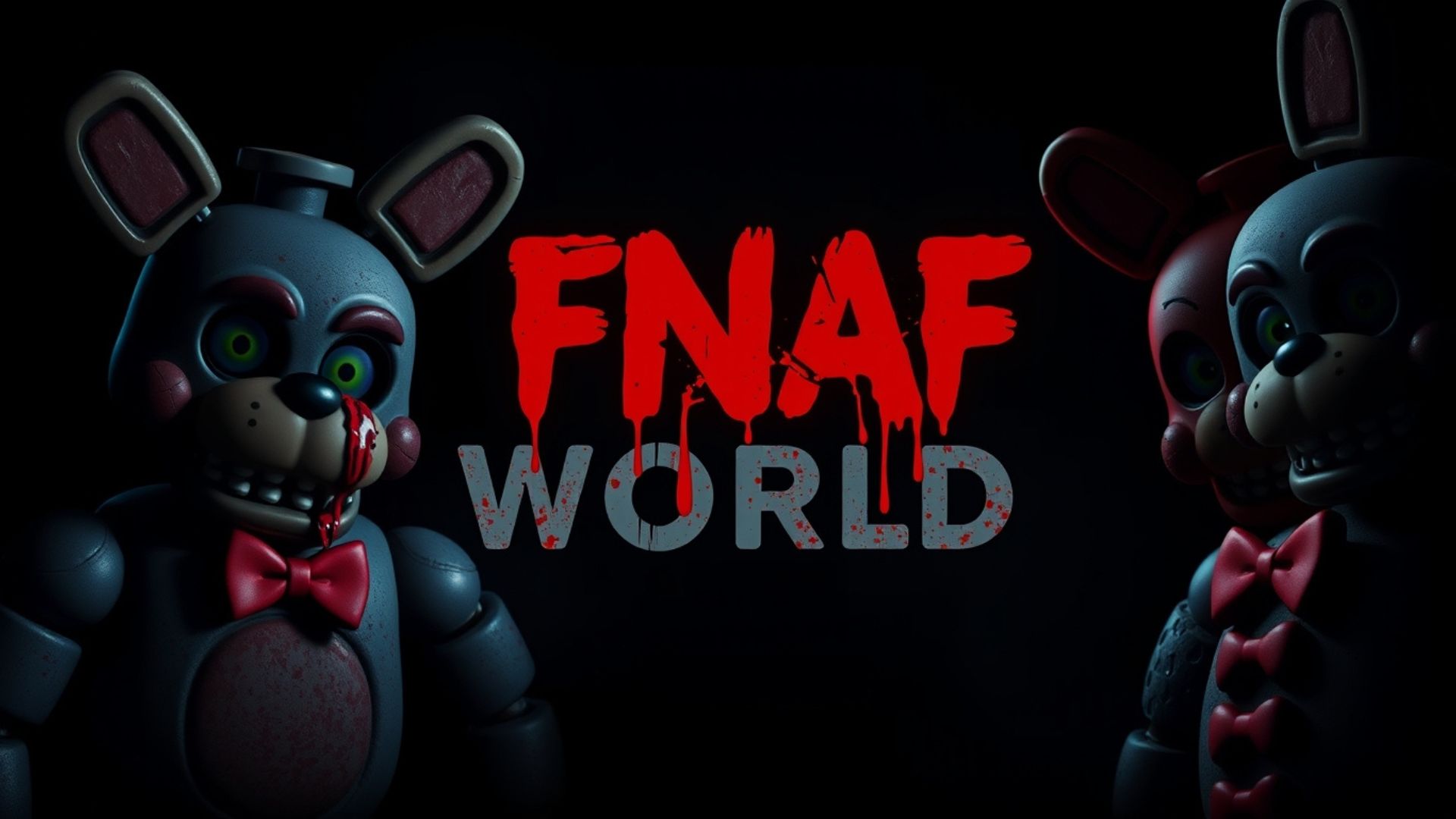
That is also why keyword behavior in this space tells a deeper story than people assume. A player may begin with a broad phrase like free online games, browser games, online games, free browser games, or no download games. Then the search narrows into something more specific, more emotional, or more fandom-driven. One minute the user is looking at poki, poki games, crazygames, crazy games, y8, y8 games, cool math games, playhop, gamejolt, or game jolt. The next minute they are drifting toward cult-favorite or character-led searches like Fnaf World, fnaf, fnaf 1, fnaf 4, fnaf game, five nights at freddy's free, fnf mods, fnfgo, pacman, pac man, granny online, or even lighter discovery routes such as blockly games, blocky games, game beast, carrom, online carrom game, unblocked games, game game, playgames.com, play games.com, and play games com. Those searches do not represent chaos. They represent layered intent. Players are telling us what kind of experience they expect before they even land on a page.
A strong free gaming website should understand that a session begins long before the first click on a thumbnail. It begins in the mind. The player is already running a silent checklist. Will this site load fast? Will it be easy to spot something fun in under a minute? Will the homepage feel repetitive? Will the game pages be clean enough to stay in the session instead of bouncing away? Will there be enough variety to move from something spooky to something silly, from a tiny experiment to something with deeper progression? That is where free game websites often succeed or fail. They are not judged only by what they host, but by how quickly they turn vague energy into playable momentum. A site that can handle both broad discovery and fandom-led searches has a much better chance of becoming a daily stop.
Fnaf World is especially useful as a signal inside this discussion because it represents a type of search that is playful, recognizable, and slightly off the mainstream path of generic arcade browsing. A person searching that term is often looking for more than “any game.” They are looking for a certain flavor of surprise. They want personality, visual identity, and a break from interchangeable lists. This is the opportunity for a free game website: to create an experience where cult appeal and broad accessibility can live in the same ecosystem. The homepage can welcome players hunting for browser games, free browser games, mobile games online, desktop games online, instant play games, and casual games, while still rewarding people who arrive through specific fandom routes. The more intelligently the site connects those different entry points, the more likely players are to treat it like a place rather than a disposable result.
Why Does Fnaf World Still Matter for Free-Game Discovery?
How do players judge a homepage in seconds?
The first few seconds on a free game website work like the opening screen of an arcade floor. The player is not reading a business model. They are reading atmosphere. They want to know whether the site feels alive, whether the game tiles look intentional, and whether there is a clear path from “I feel like playing something” to “I found the right thing.” This is why Fnaf World-type discovery matters. It captures a user who is already leaning toward identity-driven play. They are not satisfied with a generic grid of interchangeable icons. They want a page that can hold recognizable titles and strong moods without collapsing into clutter. A good website should be able to welcome someone who searched Fnaf World and, within the same session, guide them toward fnf mods, five nights at freddy's free, fnaf game, gamejolt, game jolt, poki games, y8 games, or even pacman and pac man if the mood shifts from eerie to nostalgic. That kind of movement across genres and tones is what creates a real free gaming platform instead of a shallow list of links.
- A homepage should communicate variety in under one screen without feeling like a chaotic wall of thumbnails.
- Players need clear visual lanes, such as spooky picks, fast challenge games, comfort classics, trending browser games, and experimental favorites.
- Search-driven visitors should see enough recognizable terms to trust the catalog quickly, whether they came from poki, cool math games, y8, playhop, or gamejolt.
- Fast decision-making matters because many sessions begin as a short break, not a long commitment.
- The best free game websites make selection feel intuitive instead of making users work to prove the site is useful.
That speed of judgment explains why free game discovery is so different from traditional storefront browsing. People are not always arriving with the patience of a customer researching a premium purchase. They are often arriving with the attention span of someone between tasks, between classes, or between conversations. A page that takes too long to explain itself will lose them. The strongest sites solve this by making the homepage function like a map of possible moods. Someone who types free online games may want pure convenience. Someone who types browser games may want frictionless play. Someone who arrives through Fnaf World or fnaf 1 may want character energy, fandom familiarity, and a hint of atmosphere. A smart platform does not force one of those users to adapt to the others. It helps each person find a lane immediately, then builds bridges to adjacent interests.
Why do variety and trust keep sessions longer?
Variety alone is not enough. The web is full of large collections that feel dead after thirty seconds. What keeps a player on a site is curated variety, not raw volume. Curated variety means the platform understands how one game choice can lead naturally to another. A player who started with Fnaf World may want five nights at freddy's free, then drift into fnf mods, then try game beast, then relax with pacman, then switch to online carrom game, then end the session with blockly games or blocky games because the site made experimentation feel safe and easy. This is how a free game website becomes sticky. It does not trap people with clutter. It extends curiosity through thoughtful sequencing. Each new suggestion feels like an invitation, not a distraction. That is especially important in free gaming, where session length often depends on mood pivots rather than long-term progression systems.
- Trust grows when game pages are consistent, clean, and honest about what the player is about to open.
- Replay-friendly websites let users move smoothly from horror-adjacent favorites to puzzle, rhythm, racing, and classic arcade play.
- A site earns repeat visits when it can serve short, medium, and long sessions without changing its basic logic.
- Strong internal recommendations make broad keywords like online games feel less vague and more useful.
- Players return to websites that respect mood changes, not just genre labels.
Trust also comes from readability. The average player may never say, “I value interface rhythm,” but they feel it immediately. They notice whether the game page looks calm or messy, whether the next recommendation appears naturally, whether tags help or confuse, and whether category pages are filled with repetition. This matters because free game websites live or die by re-entry. Many users do not remember the exact URL they visited yesterday. They remember the feeling of it. Was it the site that made browser games feel effortless? Was it the one where free browser games loaded quickly and the recommendations were surprisingly good? Was it the place that balanced broad names like poki, crazygames, y8, and cool math games with more character-heavy searches like Fnaf World, fnaf 4, or fnfgo? That remembered feeling is the hidden currency of free play online. If the site manages it well, even short sessions begin to stack into long-term loyalty.
What Makes a Free Game Site Worth Revisiting?
A revisit-worthy free game website behaves less like a dump of playable pages and more like a living playground. It does not simply answer the request to play free games; it expands the reason to come back tomorrow. That expansion comes from rhythm. The homepage should change just enough to feel fresh, but not so much that returning players lose their bearings. Featured rows should surface new favorites, quick-hit browser games, oddball experiments, and recognizable names without making the site feel noisy. Category logic should remain steady even when the front page rotates. This kind of consistency matters more than many operators realize. When someone types free online games or online games into a search bar, they are not just hunting for entertainment. Often they are outsourcing the task of deciding what to do with a spare pocket of time. A good site makes that decision easier every single day.
Revisit value also depends on range. Players rarely live inside one preference forever. Today they may want spooky charm and fandom energy. Tomorrow they may want puzzle clarity, racing speed, reflex games, or something social and silly. That is why a strong website should connect identity-heavy searches such as Fnaf World, fnaf, fnaf 1, and five nights at freddy's free with more open-ended routes such as unblocked games, playgames.com, play games.com, play games com, game game, free browser games, casual games, online arcade games, and instant play games. The goal is not to flatten everything into one generic catalog. The goal is to show the player that the site can travel with their mood. A platform that only serves one tone becomes a novelty. A platform that can shift tone while keeping its personality becomes a habit.
There is also a major editorial advantage in this category that many free game sites ignore. They act as if the games must do all the work alone. In reality, the page framing matters. A short introduction above a game grid can transform browsing from random clicking into guided play. A recommendation strip labeled with mood, pace, difficulty, or session length can reduce hesitation immediately. A sidebar that links pacman to other classic arcade experiences, or game beast to other playful chaos games, or fnf mods to rhythm-driven picks, helps players feel understood. The website begins to speak their language. This is especially useful for players arriving from recognizable brands and queries like poki, poki games, cool math games, y8, y8 games, playhop, gamejolt, and game jolt. They are already comparing the experience in their heads. A site that offers better framing can outperform larger names in memory, even if it cannot outsize them in raw recognition.
Finally, what makes a free game site worth revisiting is emotional reliability. Not every visit needs to be spectacular. It needs to be dependable. The site should make it easy to resume play, discover something adjacent, and leave with the feeling that the next visit will also be productive. That is the real art of free gaming UX. It is not about turning every page into a carnival. It is about creating enough order that curiosity never feels punished. If a player can arrive through Fnaf World, test a few browser games, pivot into fnfgo, relax with blockly games, bounce to carrom, scan gamejolt-style titles, and still feel oriented the whole time, the platform has done something valuable. It has turned scattered intent into a smooth session. Over time, that smoothness matters more than any single keyword ranking because it transforms search traffic into remembered routine.
A great free game website does not only offer something to play; it offers a clear, repeatable way to enjoy curiosity without friction.
FAQ
1. Why is Fnaf World a useful keyword for a free game website?
Fnaf World is useful because it represents focused curiosity rather than generic browsing. Someone using that search is often looking for a game with recognizable identity, fandom energy, and a distinctive tone. That kind of search helps a free game website understand how players move beyond broad phrases like free online games or browser games. It shows that many users want personality as much as convenience. A site that can welcome that kind of visitor while also guiding them toward adjacent titles creates a stronger session flow than a site built only around generic categories.
2. What should a free game homepage do first?
Its first job is to reduce hesitation. The homepage should show enough breadth to signal value, but enough structure to make choices easy. That means clear visual grouping, recognizable titles, fast-loading entry points, and recommendations that feel intentional. A player should be able to tell in seconds whether the site supports quick casual play, nostalgic picks, spooky fandom titles, logic games, and trending browser sessions. If the first impression feels organized, the site earns a chance to keep the visitor longer.
3. Is a large library enough to make players come back?
No. A large library can actually hurt retention if it feels uncurated. What brings players back is the combination of range and guidance. People like variety, but they also like direction. They want the freedom to drift from one mood to another without feeling lost. A platform that connects recognizable searches such as poki games, cool math games, y8 games, gamejolt, Fnaf World, or fnf mods through smart internal recommendations will usually feel more memorable than a site that simply posts a giant, undifferentiated archive.
4. Why do trust and readability matter so much on free game sites?
Because the session starts with uncertainty. The player does not know yet whether the website is well organized, easy to use, or worth remembering. Readability answers that uncertainty quickly. Clean page structure, honest labels, good category logic, and consistent presentation make the player feel safe to keep exploring. In a free environment, that emotional comfort is essential. If the site feels confusing or tiring, users leave fast. If it feels calm and navigable, they keep clicking.
5. What makes a free game website feel like a habit instead of a one-time visit?
Habit grows from dependable momentum. The player returns when they know the site will help them find something fun quickly, shift moods smoothly, and discover adjacent games without unnecessary effort. Habit also grows when the platform offers both familiarity and surprise. It should have enough recognizable anchors to feel safe and enough fresh connections to feel rewarding. When those qualities come together, even a short break-time visit can become part of a player’s daily routine.
Conclusion
The future of free game websites will belong to platforms that understand sessions, not just searches. Keywords still matter, of course, but only because they reveal what players are hoping to feel: speed, curiosity, mood, identity, and easy movement between different kinds of fun. Fnaf World is valuable in that landscape because it points toward a more expressive form of discovery, one where players are not satisfied by generic access alone. They want a site with personality, structure, and replay-friendly logic. The best platforms will answer that demand by making play feel immediate, browsing feel guided, and variety feel coherent. When a website can do that consistently, it stops being a tab and starts becoming a destination.